

About
If your pet has been diagnosed with cancer, your family veterinarian may refer you to the WCVM Veterinary Medical Centre's medical oncology service for a consultation with a veterinary medical oncologist.
If you find a suspicious lump on your pet, you are welcome to contact the Small Animal Clinic directly to book an appointment.
Services
The medical oncologist is part of a specialized team that includes board-certified specialists in medical oncology, radiation oncology, surgery and internal medicine.
Cancer specialists usually treat cancer with radiation therapy, surgery, chemotherapy and/or biologic therapy, either alone or in combination. As you cope with your pet’s disease and weigh their treatment options, it is important to remember that your cancer specialists and veterinarian are the best, most qualified people to help you determine the best treatment plan for your cancer.
The WCVM Veterinary Medical Centre offers a full range of veterinary oncology resources for animal owners and referral veterinarians across Western Canada. The three oncology service areas are:
- Medical oncology
- Radiation oncology
- Surgical oncology
Medical Oncology
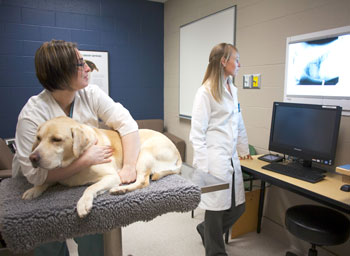
A medical oncologist has completed a residency in internal medicine with a specialization in cancer biology and treatment and has qualified as a diplomate of the American College of Veterinary Internal Medicine (Oncology).
Many cancer patients are referred first to a medical oncologist who performs the initial diagnostics and staging. In consultation with surgeons and radiation oncologists, the medical oncologist then recommends a treatment plan to the pet's owner.
When would a pet's treatment plan include chemotherapy?
Because of their specialized training, medical oncologists are able to both recommend the optimum chemotherapy treatment plan based on the most current research and to customize the protocol to individual patients if necessary.
There are many indications for the use of chemotherapy in cancer treatment. These include:
- pre-existing evidence or a high risk of metastasis
- a systemic disease such as lymphoma
- sensitization of tumors to radiation therapy
- palliative care.
The aim of chemotherapy in animals is different than that in humans: the primary goal is to achieve a good quality of life, and most animals show few to no side effects from treatment.
Radiation Oncology
If your pet has been diagnosed with a type of cancer that can be treated with radiation, your family veterinarian may refer you to the WCVM Veterinary Medical Centre's radiation oncology service for a consultation with a veterinary radiation oncologist — a veterinarian who specializes in treating patients with radiation therapy.
Your radiation oncologist and radiation therapist will discuss the details of your pet’s cancer with you, the role of radiation therapy in your pet’s overall treatment plan and what to expect from your pet’s treatment.
In this video, WCVM oncology team member Dr. Vivian Fan walks us through the process of setting up radiation treatments for pets at the WCVM's Veterinary Medical Centre.
Surgical Oncology
After the initial diagnostics and staging of your pet's cancer, the oncology team will recommend a treatment plan. Depending on the type of cancer, its location, the health of the patient and the family's wishes, the plan may include surgery only or a surgical procedure in combination with other treatments.
Surgery can be a successful treatment option for a number of common cancers:
- mast cell tumours
- soft tissue sarcomas
- tumours located inside the mouth (oral tumours)
- bone cancer
- organ cancers (liver, lung, bladder)
In certain bone cancer cases, limb-sparing surgery can be a viable option for saving a pet's limb. Members of the WCVM surgical team also provide reconstructive surgery for animals after tumour removal.
Our Team
The WCVM Veterinary Medical Centre's clinical team members are dedicated, compassionate people with specialized training and a diverse range of experiences. In addition to providing our patients with high-quality care and support, we are helping to train Western Canada's next generation of veterinary professionals.
What to Expect
While the WCVM Veterinary Medical Centre shares many similarities to other veterinary hospitals, there are some differences that may have an impact on your appointment.
For more insight, please view the above videos and click on the information below.
Appointments and Referrals
Animal Owners
Contact us to make an appointment. If you are a new client, please click below to find information about our location, parking and what to expect during your animal's appointment.
Emergency services available 24/7
Emergency services are available for acutely ill or seriously injured animals.